
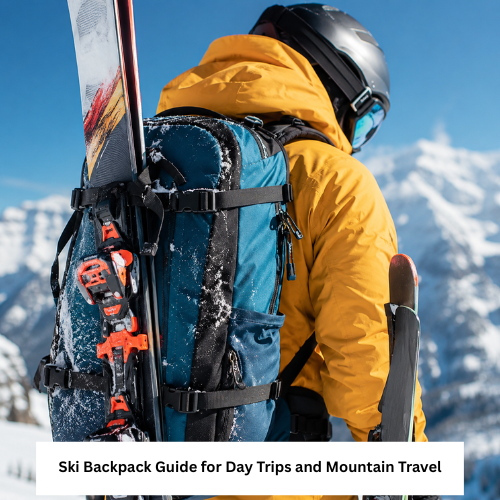
A ski backpack should carry the layers, water, food, goggles, tools, and emergency items needed for the planned day without restricting movement. The right size depends on trip duration, weather, lift access, terrain, and whether boots or a helmet must also fit inside.
Ski travel bag lists different winter sports backpack formats, but buyers should verify current capacity, dimensions, materials, attachment points, and included accessories before ordering.
How to Choose a Ski Backpack for the Trip
A ski backpack for resort use may only need space for spare gloves, a layer, water, and snacks. Mountain travel can require more equipment, but the exact safety kit and route planning should match local conditions, experience, and professional guidance.
A waterproof ski travel backpack may help manage snow exposure when buyers verify whether the listing describes water resistance or waterproof construction and how zippers and seams are protected.
A padded ski gear backpack may offer added structure for equipment when its interior dimensions and padding do not create an uncomfortable or overly heavy load.
| Backpack Type | Best Use | Main Benefit | Possible Limitation | Verify Before Buying |
| Compact ski daypack | Resort day and short outings | Light and simple | Limited space for layers | Fit and usable capacity |
| Snow gear backpack | Helmet gloves and clothing | Organized winter storage | Can become bulky | Compartment dimensions |
| Ski boot backpack | Travel between car lodge and resort | Carries boots and accessories | Heavier than a daypack | Boot fit and back comfort |
| Hydration compatible pack | Active day trips | Easier drinking access | Tubes may freeze in cold weather | Reservoir compatibility and insulation |
| Large mountain backpack | Longer supported trips | More room for layers and gear | Excess space encourages overpacking | Torso fit and load control |
A ski travel backpack for gear accessories can support organized packing when the pocket layout matches goggles gloves tools and clothing rather than creating unused small sections.
A waterproof boot travel backpack can work for transport days when the pack is sized for boots and helmet storage, but it may be larger than needed on the mountain.
A 50L ski backpack example can help buyers compare listed compartments, water resistance, and carrying features before choosing.
Fit Hydration and Access Checks
Measure torso length when the maker provides a fitting method and adjust shoulder, sternum, and waist straps evenly. The load should stay close to the body without blocking breathing or arm movement.
A ski hydration pack should be compatible with the intended reservoir and drinking tube. In freezing weather, follow the equipment instructions and plan for water access if the tube or valve becomes difficult to use.
Place frequently used items where they reach without emptying the entire bag. Keep goggles in a protected pocket and separate wet gloves from dry layers when possible.
Setup and Mountain Safety
The pack must not interfere with lift restraints, chair entry, or safe unloading. Follow resort instructions about removing or repositioning backpacks on lifts.
Do not assume that external straps are approved for carrying skis, a snowboard, poles, or technical equipment. Check the bag instructions, secure every loose end, and confirm the load does not affect balance.
For travel beyond controlled resort areas, equipment choices, route decisions, and emergency planning require appropriate training and local advice. A backpack does not replace skills, weather checks, or professional guidance.
Troubleshooting and Maintenance
If the pack shifts while moving, reduce the load and readjust the compression, shoulder, sternum, and waist straps. If one shoulder hurts, check weight distribution and pack fit rather than tightening one side excessively.
If snow or moisture enters, inspect closures, seams, and fabric care instructions. Empty the bag after use and let every section dry fully before storage.
Clean the backpack only by the approved method. Check straps, buckles, zippers, stitching, attachment loops, and back padding regularly.
Buying Checklist
- Define resort day trip or mountain travel use
- Estimate layers water food and equipment volume
- Check torso fit straps and loaded comfort
- Confirm helmet goggle and wet gear storage
- Verify hydration reservoir compatibility
- Review snow resistance closures seams and base material
- Check lift use and external attachment instructions
- Review cleaning drying warranty returns and support
- Verify every product specific detail before buying
Conclusion
The right ski backpack fits the wearer, carries the required gear, and stays controlled without limiting movement. Compare capacity, access, hydration compatibility, snow protection, straps, and mountain use instructions before buying.
FAQ
What size backpack is suitable for a ski day trip?
Choose according to layers, water, food, and required equipment rather than relying on one capacity for every trip.
Can a boot backpack be used as a ski daypack?
It use when the size and fit are comfortable, but boot compartments may make it bulkier than necessary.
Should a winter sports backpack be waterproof?
Snow protection is useful, but construction varies. Verify the fabric, seams, zippers, and care instructions.
Can a hydration reservoir freeze while skiing?
Cold conditions can affect the tube and valve, so follow the equipment guidance and carry a backup access plan.
How should goggles be packed in a backpack?
Use a protected compartment or case and keep hard buckles or tools away from the lens.
