
Ski Bag Protection and Materials Guide: Padding, Fabric, Lining and Hardware
Buyers see denier ratings, waterproof claims and padding language but cannot judge real protection.
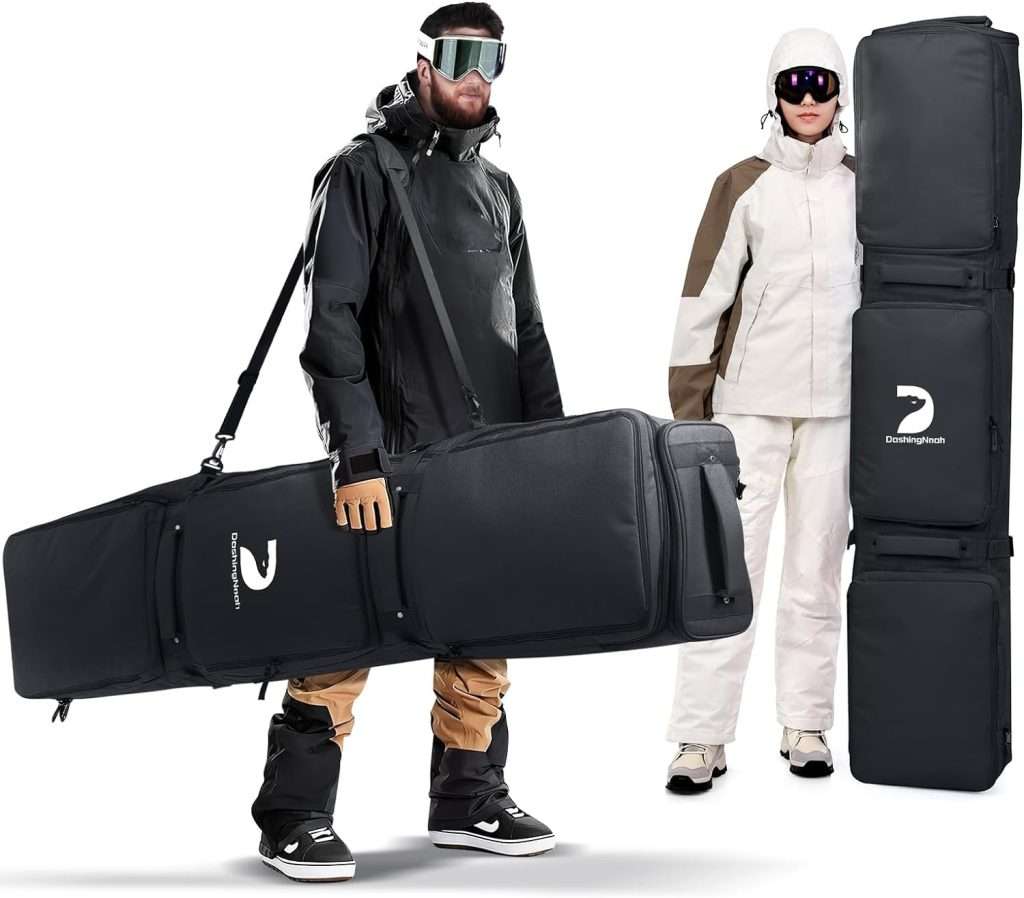
Ski Bag Protection Guide provides a structured way to solve this practical problem. Buyers see denier ratings, waterproof claims and padding language but cannot judge real protection. The first step is to identify the handling risk. The final step is to match construction to the trip, so the shortlist stays tied to the actual trip and supplied product details.
Judge Protection as a System of Padding, Fabric, Seams, Hardware, and Handling Risk
Start with the harshest part of the route, then inspect where the bag places padding and reinforcement. Denier, waterproof wording, or a “fully padded” label describes only part of the construction. Compare sidewalls, ends, binding zones, lining, zipper paths, handles, wheel housings, and base contact together. The best construction is the one that protects the actual load without making the bag impractical to carry or store.
A material number or marketing phrase is not independent proof of finished-bag durability.
Evidence Reviewed: SkiTravelBag catalog and visible supplied specifications
Editorial and catalog review completed for this decision layer: August 2026.
Ski Bag Protection Guide: Identify The Handling Risk
A useful result from “Identify the handling risk” is measurable and tied to the real trip. First, “Identify the handling risk” affects the protection choice because it changes fit, handling or preparation. Rely on the exact skis or snowboard and the conditions expected on the handling route.
Therefore, record one measurement, observation or current policy source. Reject any option that depends on pressure, guesswork or an unsupported claim during the handling risk check step. Next, place the handling risk check result in ski travel resources hub.
Read Fabric Specifications Correctly
Treat “Read fabric specifications correctly” as a pass-or-fail check before comparing optional features. Initially, a denier figure describes one yarn measurement, not the durability of a finished bag. Review fabric, coating, weave, seams, lining and reinforcement together.
On the other hand, inspect the panels that meet floors, conveyors and vehicle edges. A higher number cannot compensate for weak construction at those points. Afterward, compare the fabric specifications correctly check requirement with protective ski and snowboard bags.
Compare Padding Coverage
This section tests “Compare padding coverage” against the actual bag shell, padding, hardware and protected equipment. Initially, padding adds value most where the equipment meets hard surfaces or projecting hardware. Examine the ends, sidewalls, binding area and base as separate zones.
However, check whether seams create gaps between padded panels. Match the coverage to airport handling, vehicle travel and storage risk. Next, continue the padding coverage check sequence with 600D vs 1680D fabric.
Catalog scope
| Catalog segment | Product count | Decision role |
|---|---|---|
| Snow Ski Bags | 128 | Use the relevant specialist hub before product shortlisting. |
| Snowboard Bags | 52 | Use the relevant specialist hub before product shortlisting. |
| Skiing Boot Bags | 96 | Use the relevant specialist hub before product shortlisting. |
Inspect Lining And Contact Zones For Ski Bag Protection Guide
Treat “Inspect lining and contact zones” as a pass-or-fail check before comparing optional features. First, protective foam matters most where the equipment meets hard surfaces or projecting hardware. Inspect the ends, sidewalls, binding area and base as separate zones.
As a result, check whether seams create gaps between padded panels. Match the coverage to airport handling, vehicle travel and storage risk within this protection hub review. Next, continue the lining contact zones check sequence with waterproof vs water-resistant ski bags.
Evaluate Zippers, Seams And Straps
For the “Evaluate zippers, seams and straps” step, use the complete packed setup instead of the product headline. To begin, closures and anchor points reveal stress before a fabric panel fails completely. Run every zipper, inspect seam lines and pull each strap under a normal load.
However, look for whitening, loose thread, distortion or sharp interior wear. Repair or replace the bag before the defect becomes a travel failure. Finally, carry the zippers seams straps check result into full vs partial padding.
Check Wheels And Base Reinforcement
For the “Check wheels and base reinforcement” step, use the complete packed setup instead of the product headline. Before that, rolling loads concentrate force at the wheel housing, base and nearby handles. Review those parts with the bag loaded, not while it sits empty.
As a result, roll over a short rough surface and listen for looseness or rubbing. A wheel feature adds value only when the surrounding structure controls the load. Finally, carry the wheels base reinforcement check result into protect skis in travel bag.
Match Construction To The Trip
Treat “Match construction to the trip” as a pass-or-fail check before comparing optional features. Initially, “Match construction to the trip” affects the protection choice because it changes fit, handling or preparation. Review the exact skis or snowboard and the conditions expected on the handling route.
On the other hand, record one measurement, observation or current policy source. Reject any option that depends on pressure, guesswork or an unsupported claim before the construction trip check result is accepted. Next, continue the construction trip check sequence with ski bag inspection checklist.
Protection Hub Decision Record
A defensible protection hub decision should show what was measured, rejected and retained. Next, keep the protection hub record brief and specific. Finally, confirm current product details and live rules for the protection hub.
- Primary constraint: Identify the handling risk for the protection hub.
- Disqualifying check: Compare padding coverage for the protection hub.
- Trade-off to record: Evaluate zippers, seams and straps for the protection hub.
- Final confirmation: Match construction to the trip for the protection hub.