
Flying with Skis, Snowboards and Boots: Packing, Check-In and Damage Prevention
Travelers need one end-to-end workflow from airline research and packing to oversize check-in and arrival inspection.
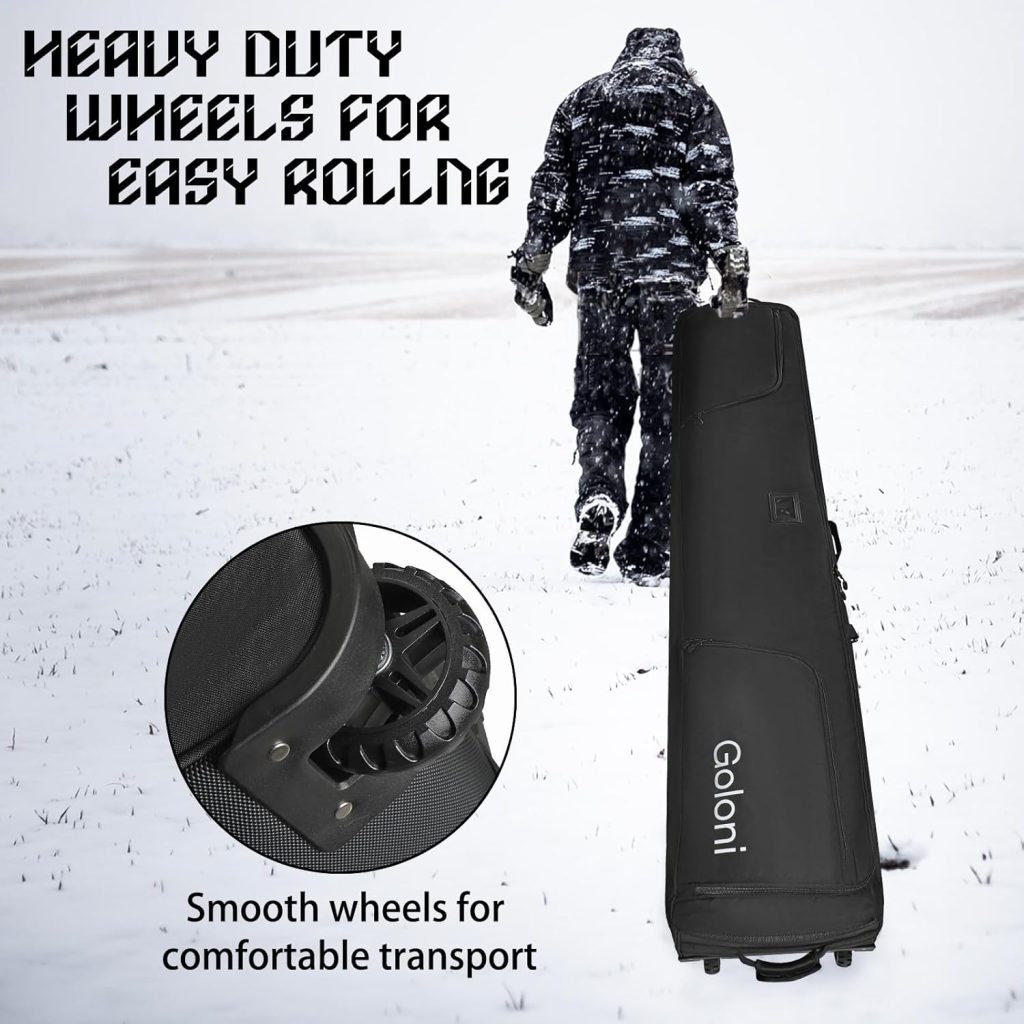
Flying With Skis provides a structured way to solve this practical problem. Travelers need one end-to-end workflow from airline research and packing to oversize check-in and arrival inspection. The first step is to check the current airline rule. The final step is to inspect and document after arrival, so the shortlist stays tied to the actual trip and supplied product details.
Build the Flight Plan Before Choosing the Final Bag
Check the current airline policy for the exact route and fare, then plan bag count, packed weight, dimensions, check-in timing, and boot treatment. Pack the equipment so hard contact points cannot shift, label and photograph the closed bag, and keep the policy and baggage receipts accessible. A travel bag is suitable only when it works for both the equipment and every airport transfer in the itinerary.
Airline rules, fees, and baggage treatment can change by carrier, fare, route, and date.
Evidence Reviewed: SkiTravelBag catalog and visible supplied specifications IATA passenger baggage information TSA sporting and camping equipment guidance
Editorial and catalog review completed for this decision layer: August 2026.
Flying With Skis: Check The Current Airline Rule
The purpose of “Check the current airline rule” is to remove unsuitable choices early. Before that, carrier sports-equipment rules can vary by carrier, route, fare and operating partner. Open the current official policy and record the date before booking.
On the other hand, confirm bag count, weight, dimensions and boot-bag treatment. Save the relevant page because a general summary may omit an exception. Afterward, use ski travel resources hub for the wider current airline rule check decision.
Plan Bag Count And Weight
A useful result from “Plan bag count and weight” is measurable and tied to the real trip. First, total loaded weight matters more than the empty bag figure shown on its own. Weigh the bag first, then add each item from the written packing list.
Therefore, leave room for return-trip changes and damp clothing. Rebalance the load when one handle twists or one end drops sharply. Then, apply the bag count weight check limit while browsing winter travel bag catalog.
Protect Skis And Boards
For the “Protect skis and boards” step, use the complete packed setup instead of the product headline. Initially, “Protect skis and boards” affects the flight plan because it changes fit, handling or preparation. Begin with the exact winter-sports equipment and the conditions expected on the itinerary.
As a result, record one measurement, observation or current policy source before the skis boards check result is accepted. Reject any option that depends on pressure, guesswork or an unsupported claim within this flight hub review. Afterward, open airline ski baggage rules for the next skis boards check check.
Catalog scope
| Catalog segment | Product count | Decision role |
|---|---|---|
| Snow Ski Bags | 128 | Use the relevant specialist hub before product shortlisting. |
| Snowboard Bags | 52 | Use the relevant specialist hub before product shortlisting. |
| Skiing Boot Bags | 96 | Use the relevant specialist hub before product shortlisting. |
Handle Boots And Helmets For Flying With Skis
A useful result from “Handle boots and helmets” is measurable and tied to the real trip. To begin, “Handle boots and helmets” affects the flight plan because it changes fit, handling or preparation. Review the exact winter-sports equipment and the conditions expected on the itinerary.
As a result, record one measurement, observation or current policy source for the flight hub decision. Reject any option that depends on pressure, guesswork or an unsupported claim for the flight hub decision. Afterward, open oversized ski baggage check-in for the next boots helmets check check.
Prepare Identification And Evidence
Treat “Prepare identification and evidence” as a pass-or-fail check before comparing optional features. Before that, a clear evidence trail make a delayed or damaged-bag report easier to explain. Photograph the packed equipment, closed bag and baggage tag before handoff.
Therefore, place durable contact details outside and a backup card inside. Retain receipts, reports and messages together until the issue is resolved. Afterward, open ski bag weight planning for the next identification evidence check check.
Navigate Oversize Check-in
This section tests “Navigate oversize check-in” against the actual packed load, itinerary and current carrier rules. Initially, oversized equipment usually follows the normal check-in process before a separate handoff. Arrive with enough time to find the correct counter and oversize point.
On the other hand, protect the baggage receipt and photograph the tagged bag. At arrival, inspect the equipment before leaving the collection area. Next, continue the navigate oversize check sequence with connecting flights with skis.
Inspect And Document After Arrival
Treat “Inspect and document after arrival” as a pass-or-fail check before comparing optional features. Initially, “Inspect and document after arrival” affects the flight plan because it changes fit, handling or preparation. Use the exact winter-sports equipment and the conditions expected on the itinerary.
Therefore, record one measurement, observation or current policy source during the document arrival check step. Reject any option that depends on pressure, guesswork or an unsupported claim before the document arrival check result is accepted. Afterward, open ship skis vs fly for the next document arrival check check.
Flight Hub Decision Record
A defensible flight hub decision should show what was measured, rejected and retained. Next, keep the flight hub record brief and specific. Finally, confirm current product details and live rules for the flight hub.
- Primary constraint: Check the current airline rule for the flight hub.
- Disqualifying check: Protect skis and boards for the flight hub.
- Trade-off to record: Prepare identification and evidence for the flight hub.
- Final confirmation: Inspect and document after arrival for the flight hub.