
Travelers must estimate the complete loaded bag rather than the empty bag alone.
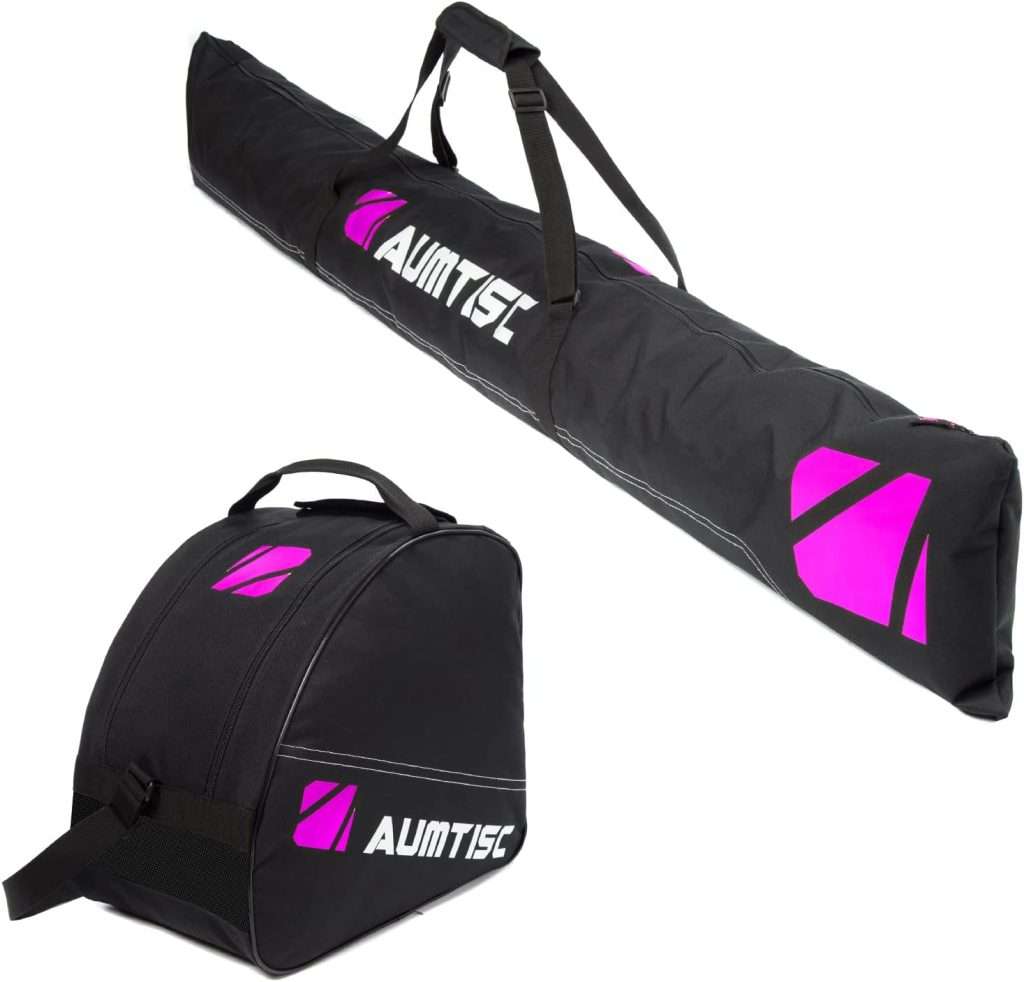
Ski Bag Weight Planning provides a structured way to solve this practical problem. Travelers must estimate the complete loaded bag rather than the empty bag alone. The first step is to list every packed item. The final step is to weigh and document the final load, so the shortlist stays tied to the actual trip and supplied product details.
Calculate the Loaded Bag, Not Just the Empty Carrier
List every item, record the bag’s known empty weight when available, and weigh the complete load at home. Include skis or board, boots, helmet, clothing, tools, and accessories, then keep a margin below the current airline limit. If the total is too high, move suitable soft items or split the load rather than forcing more gear into the same bag.
Package shipping weight shown on a retailer page is not a reliable substitute for the packed travel weight.
Evidence Reviewed: SkiTravelBag catalog and visible supplied specifications IATA passenger baggage information
Editorial and catalog review completed for this decision layer: August 2026.
Ski Bag Weight Planning: List Every Packed Item
This section tests “List every packed item” against the actual packed load, itinerary and current carrier rules. Initially, “List every packed item” affects the flight plan because it changes fit, handling or preparation. Use the exact winter-sports equipment and the conditions expected on the itinerary before the every packed item check result is accepted.
On the other hand, record one measurement, observation or current policy source during the every packed item check step. Reject any option that depends on pressure, guesswork or an unsupported claim within this weight plan review. Finally, continue the every packed item check review in flying with skis.
Record Empty Bag Weight
A useful result from “Record empty bag weight” is measurable and tied to the real trip. To begin, packed weight matters more than the empty bag figure shown on its own. Weigh the bag first, then add each item from the written packing list for the weight plan decision.
As a result, leave room for return-trip changes and damp clothing. Rebalance the load when one handle twists or one end drops sharply within this weight plan review. Afterward, compare the empty bag weight check requirement with winter travel bag catalog.
Estimate Skis, Board And Boots
Treat “Estimate skis, board and boots” as a pass-or-fail check before comparing optional features. First, “Estimate skis, board and boots” affects the flight plan because it changes fit, handling or preparation. Begin with the exact winter-sports equipment and the conditions expected on the itinerary before the estimate skis board check result is accepted.
On the other hand, record one measurement, observation or current policy source for the weight plan decision. Reject any option that depends on pressure, guesswork or an unsupported claim within this weight plan review for ski bag weight planning. Next, review the connected estimate skis board check trade-off in connecting flights with skis.
Loaded-weight worksheet
| Load group | Record | Control |
|---|---|---|
| Empty bag | Actual scale result | Use the bag itself, not a generic estimate |
| Primary equipment | Skis, board or boots | Weigh the planned setup |
| Accessories | Poles, helmet, tools and goggles | Include every hard item |
| Soft gear | Clothing and protective layers | Add only the planned amount |
| Safety margin | Space below the confirmed limit | Allow for return-trip changes |
Add Clothing And Accessories For Ski Bag Weight Planning
This section tests “Add clothing and accessories” against the actual packed load, itinerary and current carrier rules. First, stated capacity describes volume, but compartment shape determines how the gear actually fits. List the winter-sports equipment first, then place the hard items before clothing.
On the other hand, check whether dividers, boot size and helmet shape reduce usable space before the clothing accessories check result is accepted. Pick the smallest capacity that closes naturally and carries comfortably for the weight plan decision. Afterward, test the clothing accessories check decision against oversized ski baggage check-in.
Set A Safety Margin
This section tests “Set a safety margin” against the actual packed load, itinerary and current carrier rules. Before that, packed weight matters more than the empty bag figure shown on its own. Weigh the bag first, then add each item from the written packing list before the safety margin check result is accepted.
On the other hand, leave room for return-trip changes and damp clothing before the safety margin check result is accepted. Rebalance the load when one handle twists or one end drops sharply during the safety margin check step. By contrast, compare the safety margin check result with ship skis vs fly.
Rebalance Across Bags
This section tests “Rebalance across bags” against the actual packed load, itinerary and current carrier rules. Initially, packed weight matters more than the empty bag figure shown on its own. Weigh the bag first, then add each item from the written packing list within this weight plan review.
On the other hand, leave room for return-trip changes and damp clothing during the rebalance across bags check step. Rebalance the load when one handle twists or one end drops sharply for the weight plan decision. Finally, compare the rebalance across bags check shortlist in compare ski travel bags.
Weigh And Document The Final Load
Treat “Weigh and document the final load” as a pass-or-fail check before comparing optional features. First, total loaded weight matters more than the empty bag figure shown on its own within this weight plan review. Weigh the bag first, then add each item from the written packing list for the weight plan decision for ski bag weight planning.
On the other hand, leave room for return-trip changes and damp clothing within this weight plan review. Rebalance the load when one handle twists or one end drops sharply within this weight plan review for ski bag weight planning. Finally, save the document final load check result in ski travel FAQs.
Weight Plan Decision Record
A defensible weight plan decision should show what was measured, rejected and retained. Next, keep the weight plan record brief and specific. Finally, confirm current product details and live rules for the weight plan.
- Primary constraint: List every packed item for the weight plan.
- Disqualifying check: Estimate skis, board and boots for the weight plan.
- Trade-off to record: Set a safety margin for the weight plan.
- Final confirmation: Weigh and document the final load for the weight plan.
