
Snowboard Bag
Snowboard Bag
53 products
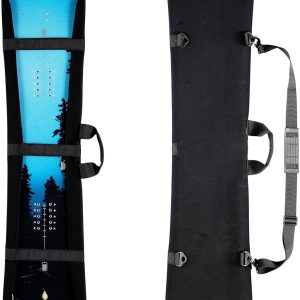
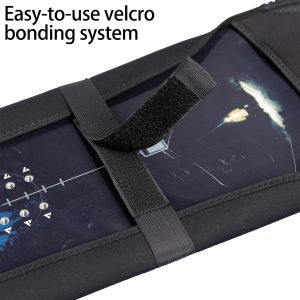
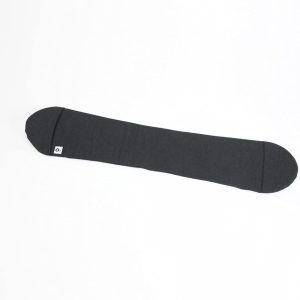
Snowboard Bags
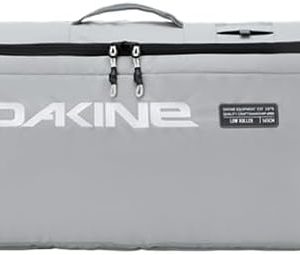
Snowboard Bags
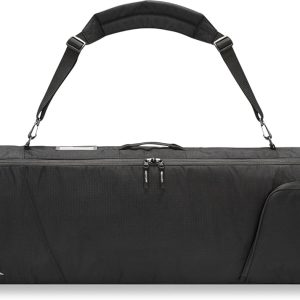
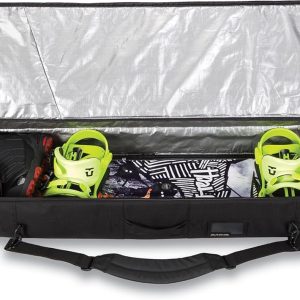
Snowboard Bags
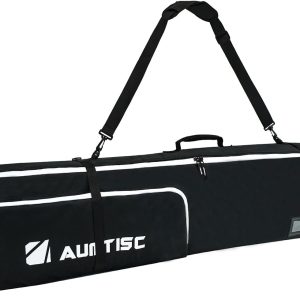
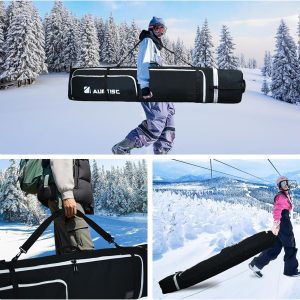
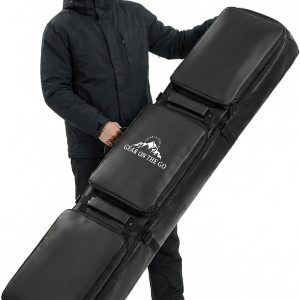
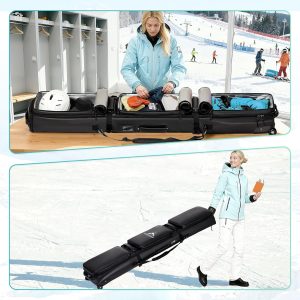
Snowboard Bag brings board transport, protection, and handling into the same decision. First confirm the space your snowboard setup needs. Then look at the current product details for padding, materials, carrying style, and any storage features that affect the way you travel.
For Snowboard Bag, the products above share the same broad shopping theme. However, they do not need to be interchangeable. Use the collection to create a shortlist. Then judge each candidate by the information supplied on its own product page.
Start the Snowboard Bag Comparison With Board Dimensions
For Snowboard Bag, measure the snowboard at its longest point and consider whether bindings stay mounted during travel. That changes the space the bag needs to provide. If boots or clothing will be packed alongside the board, make sure the listed layout gives those items a realistic place without pressing hard against the board.
- Check board length and binding height before assuming the stated size will work.
- Treat extra gear as part of the packed profile, not as space that will somehow appear later.
- Compare the stated material, padding, closure, and reinforcement details on each candidate.
- Choose between the final candidates by the travel problem you will face most often, not by one isolated feature.
Move From Basic Fit to Day-to-Day Convenience With Snowboard Bag
After fit is solved, compare the details that affect repeated use. Look at the stated materials, protection, access, carry method, and storage layout for each Snowboard Bag candidate. The most useful feature is the one that solves a real part of your trip, not necessarily the one that sounds most technical.
Model-Level Points to Resolve Before Handling Becomes the Tie-Breaker
The Snowboard Bag collection includes product wording that can make comparison faster. The useful approach is to turn those phrases into specific checks and then verify them on each listing you keep.
- Current titles also call out fit lengths such as 155cm, 165cm, 100cm. Match any length claim to the longest ski or board you plan to pack, including the packed profile created by bindings or poles.
- Water-protection wording appears in current matching product titles. Check whether each listing describes the whole bag, a fabric, the base, or another specific area before relying on that claim.
- Carry-method wording varies across the current matching titles. Compare the stated shoulder, backpack, or grab-handle setup with the distance and terrain you expect to cover while fully loaded.
- Rigid or case-style construction appears in current product wording. Confirm both the internal equipment fit and the fixed exterior size so protection does not create a storage or transport problem elsewhere.
Focused Guides for Questions the Product List Cannot Answer Alone
Use the related collection and guides below when the Snowboard Bag choices need more context. They help connect product-level details with broader sizing, packing, protection, and travel considerations without replacing the specifications on the individual listings.
A Practical Check Before Secondary Features Win
Before choosing a Snowboard Bag option, compare the last two or three candidates against the same checklist. Confirm the supplied dimensions, construction, protection, and carry details. Then picture the complete packed load. Where a listing is silent, do not fill the gap with an assumption. That keeps the final choice grounded in the product information you actually have.
Compare Current Snowboard Bag Products
Use these product pages for the exact current listing details. The collection content above helps with the buying decision, while each product page remains the source of truth for its own specifications and listed features.