
ski travel backpack
ski travel backpack
11 products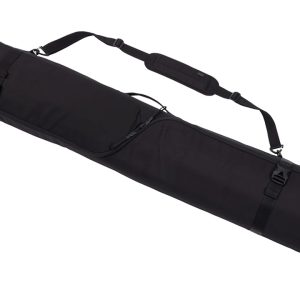
Snow Ski Bags




Snow Ski Bags


Snow Ski Bags


Snow Ski Bags


Snow Ski Bags
Ski Travel Backpack should start with the skis and gear you plan to pack, not with the most attractive feature on a product page. Measure the longest equipment, note any poles, boots, or clothing that must travel with it, and then compare the listed protection and carrying details.
For Ski Travel Backpack, shared wording helps group relevant products. However, it should not replace product-level checking. Treat the collection as a faster starting point and confirm the decisive specifications on every candidate you keep.
Use Equipment Fit to Screen Ski Travel Backpack
For Ski Travel Backpack, ski length is the obvious first measurement, yet the complete load can include poles, bindings, or a second pair. Compare the stated internal or supported length with the longest item you will pack. Then check whether the product description gives enough information about width, capacity, or layout for the rest of the gear.
- Measure the longest skis and poles that need to travel inside the bag.
- Plan the full ski load, not only one pair, if the bag will serve more than one travel setup.
- Check the supplied material and protection details rather than assuming products in one collection are built alike.
- Picture the loaded weight on your shoulders and compare strap, back-panel, and grab-handle details.
Match Ski Travel Backpack to the Walking Part of Your Trip
Hands-free carrying is useful only when the loaded pack remains manageable. Review the Ski Travel Backpack listings for harness and handle details. Then match those features to the longest walking segment in your routine. That gives comfort a realistic role in the decision.
Construction Checks to Make Before Secondary Features Decide
Current Ski Travel Backpack titles highlight several practical comparison points. Use them to organize the shortlist, while keeping every model-specific claim tied to its own product page.
- Current titles also call out fit lengths such as 200cm, 185cm. Match any length claim to the longest ski or board you plan to pack, including the packed profile created by bindings or poles.
- Water-protection wording appears in current matching product titles. Check whether each listing describes the whole bag, a fabric, the base, or another specific area before relying on that claim.
- Carry-method wording varies across the current matching titles. Compare the stated shoulder, backpack, or grab-handle setup with the distance and terrain you expect to cover while fully loaded.
- Rigid or case-style construction appears in current product wording. Confirm both the internal equipment fit and the fixed exterior size so protection does not create a storage or transport problem elsewhere.
Next-Step Guides for Deeper Sizing and Packing Questions
Once a few Ski Travel Backpack candidates remain, the related category and guides below can answer the next layer of questions. They are useful for comparing fit, packing, protection, and travel handling before you return to the final product pages.
- First, define the real packing load.
- Next, compare only stated features.
- Then, check the carrying method.
- Finally, choose for the actual route.
A Packed-Load Test Before Packing Day
The final Ski Travel Backpack decision should survive one simple test: does the listed product information match your equipment and the way you travel? Reopen the candidate pages, confirm the details that matter, and plan the packed load from start to finish. Unknown specifications should stay unknown until the product listing provides them.
Compare Current ski travel backpack Products
Use these product pages for the exact current listing details. The collection content above helps with the buying decision, while each product page remains the source of truth for its own specifications and listed features.