
ski boot bag
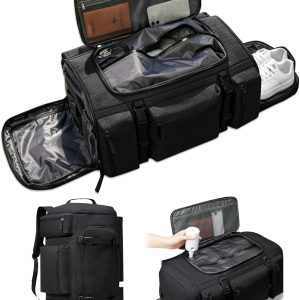
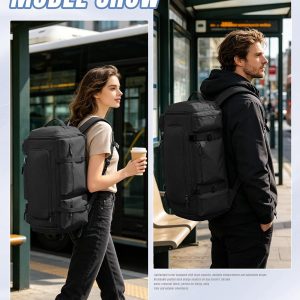
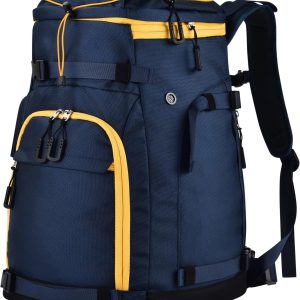
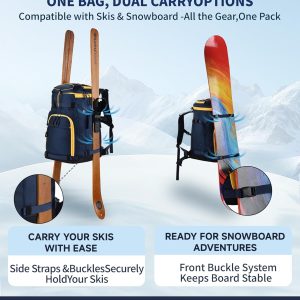
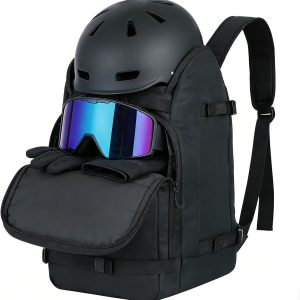
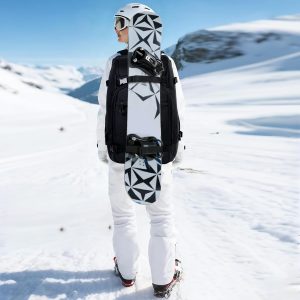
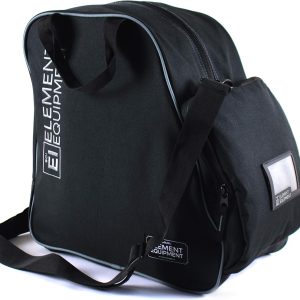
Skiing Boot Bags
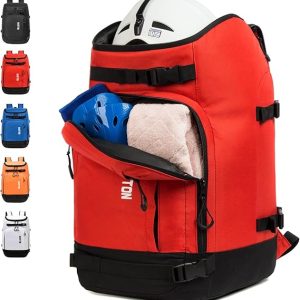

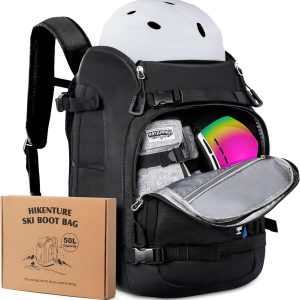
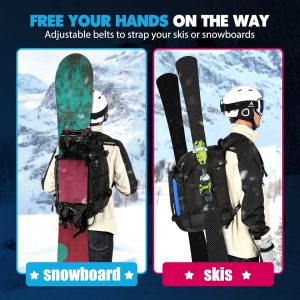
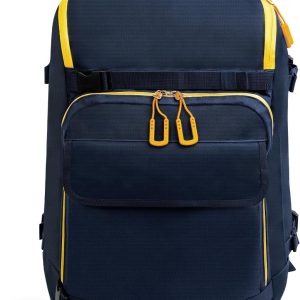
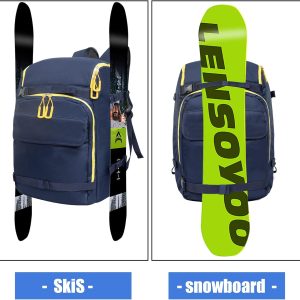
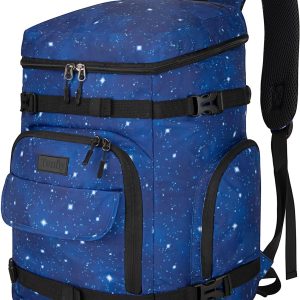
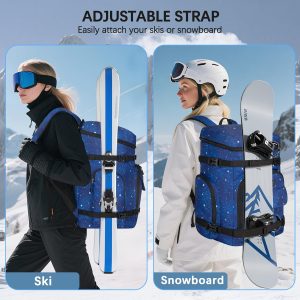
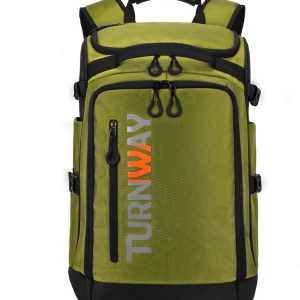
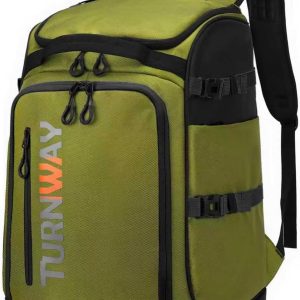
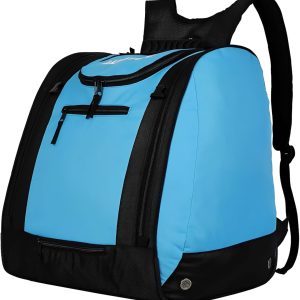
Ski Boot Bag choices should make the whole gear routine easier, from packing at home to carrying boots into the lodge. Start with the boots you actually wear. Then add the helmet, goggles, gloves, and clothing you expect to carry. That gives you a real packed load to compare instead of relying on a capacity label alone.
A useful boot bag needs to solve three separate jobs: fit rigid footwear, protect or separate the rest of your gear, and remain manageable once it is full. The products above may approach those jobs differently. Therefore, use the current product pages to confirm the details that matter to your setup.
Start With Boots, Helmet, and the Space You Actually Need
Litres can help you compare general capacity. However, they do not guarantee that a specific boot size or helmet will fit. Ski boots are bulky and their cuffs and buckles create a rigid shape. Compare the listed dimensions when available. Then think about how the interior is divided and whether the helmet needs its own space.
If you also pack goggles, gloves, base layers, or outerwear, decide which items are essential before comparing pocket layouts. A bag that holds everything loosely is not automatically more useful than one that keeps heavy boots stable and the items you need easy to reach.
- Measure both boots and note the space created by cuffs and buckles.
- Include the helmet and must-carry clothing in your packing plan.
- Check whether the listing gives dimensions, compartment details, or both.
- Leave enough room for normal closure instead of planning to force the zipper.
Carry Comfort Matters After a Ski Boot Bag Is Full
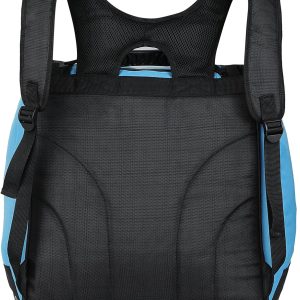
A boot bag can feel very different once rigid footwear and winter clothing are inside. If a product uses backpack straps, compare the stated harness and back-panel details with the walking you expect to do. If it relies on handles or a shoulder strap, picture the longest carry between your car, terminal, hotel, and lodge.
Also think about wet gear. Some listings may describe ventilation, drainage, water-resistant panels, or easy-clean linings, while others may not. Use only the features stated on the individual product page and treat anything unstated as unknown.
Compare Protection Without Assuming Every Option Is Built the Same
Padding, base reinforcement, fabric, zippers, and compartment structure can vary widely. Check where protection is actually described and which parts of the load it covers. This is especially useful when a helmet, goggles, or other hard gear shares the bag with the boots.
The goal is not to find the bag with the longest feature list. It is to choose a Ski Boot Bag whose stated fit, protection, organization, and carry design match the way you really travel.
Use Related Guides to Resolve Packing Questions
The related category and guides below can help with capacity, packing, protection, and travel questions after you have a few products in mind. Use them for broader comparison. Then return to the individual product pages for the final specification check.
Run One Last Packed-Load Check
Recheck your finalists against the same packed load. Confirm the supplied dimensions, materials, protection, and carrying method. Then picture the hardest part of the trip. If a product page does not state a detail you need, keep that detail unknown rather than assuming it from the collection name.
Compare Current ski boot bag Products
Use these product pages for the exact current listing details. The collection content above helps with the buying decision, while each product page remains the source of truth for its own specifications and listed features.