
Heavy Duty Snowboard Backpack
Heavy Duty Snowboard Backpack
2 products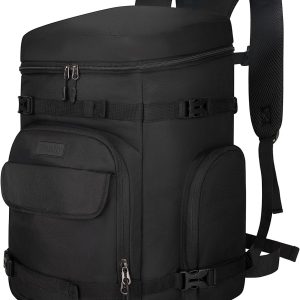
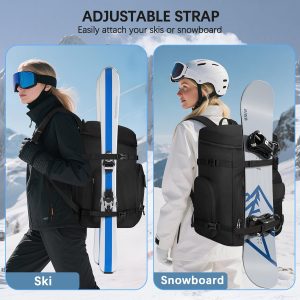


Heavy Duty Snowboard Backpack should be matched to the board as it will actually travel. Measure the full board, include the packed profile created by bindings, and decide whether boots or outerwear must fit in the same bag. Then compare the listed protection and carrying details across the products above.
For Heavy Duty Snowboard Backpack, because only a narrow set of products matches this phrase, compare the available listings closely. Check the details that could change fit or travel convenience instead of assuming similar names mean identical specifications.
Start the Heavy Duty Snowboard Backpack Comparison With Board Dimensions
For Heavy Duty Snowboard Backpack, a bag can match the board length and still feel cramped once bindings and extra gear are added. Use the stated dimensions as a starting point. Then picture the complete packed setup. This helps separate true fit from a simple length match.
- Measure the board at its longest packed point and include the binding profile.
- Plan where boots and clothing will sit so they do not press unnecessarily against the board.
- Compare the stated material, padding, closure, and reinforcement details on each candidate.
- Compare the stated harness and grab-handle design with the walking distance you expect on travel days.
Compare Harness Comfort With the Packed Weight for Heavy Duty Snowboard Backpack
Think about Heavy Duty Snowboard Backpack at full load. Shoulder straps, back support, and quick-lift handles all affect how the bag moves through parking areas, stairs, and terminals. Compare the supplied carry details with your typical travel distance rather than evaluating the empty bag in isolation.
Load-Focused Points to Resolve Before Handling Becomes the Tie-Breaker
Current Heavy Duty Snowboard Backpack titles highlight several practical comparison points. Use them to organize the shortlist, while keeping every model-specific claim tied to its own product page.
- Capacity wording such as 65L appears in current product titles. Use those numbers to compare broad size. Then verify dimensions and compartment layout on the exact product page.
- Material-denier wording such as 600D appears in some current titles. Treat denier as one construction detail and compare it with seams, base areas, padding, and other stated protection features.
- Padding is highlighted by some current matching products. Compare the stated coverage and placement rather than assuming every padded option protects the same areas.
- Wheeled or rolling designs appear among the current matching products. Look at the wheel area together with lift handles and base support because the bag still has to be carried at several points in a trip.
Reference Guides for Questions the Product List Cannot Answer Alone
The related pages below give you a broader category view and deeper buying guidance. Use them after the first Heavy Duty Snowboard Backpack shortlist to check sizing, packing, protection, or travel questions that are easier to compare outside an individual product page.
A Fit-and-Handling Check Before Secondary Features Win
Before choosing a Heavy Duty Snowboard Backpack option, compare the last two or three candidates against the same checklist. Confirm the supplied dimensions, construction, protection, and carry details. Then picture the complete packed load. Where a listing is silent, do not fill the gap with an assumption. That keeps the final choice grounded in the product information you actually have.
Compare Current Heavy Duty Snowboard Backpack Products
Use these product pages for the exact current listing details. The collection content above helps with the buying decision, while each product page remains the source of truth for its own specifications and listed features.