
Fully Padded Single Ski Travel Bag
Fully Padded Single Ski Travel Bag
15 products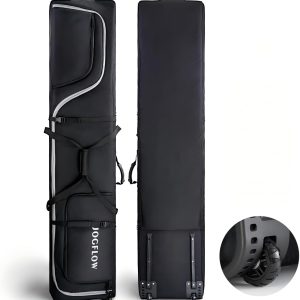
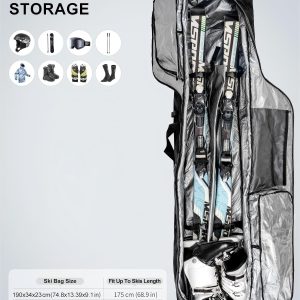
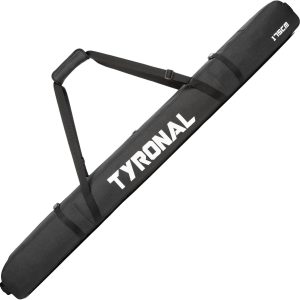
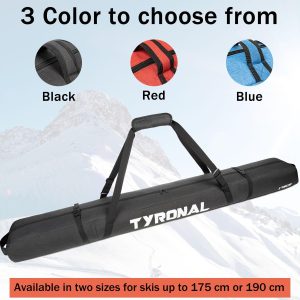


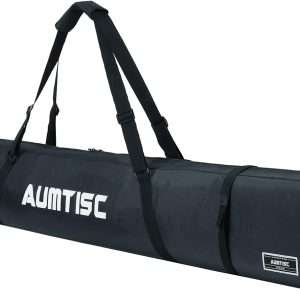
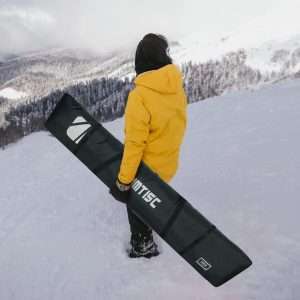


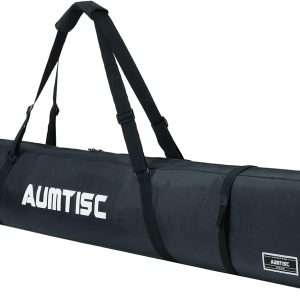
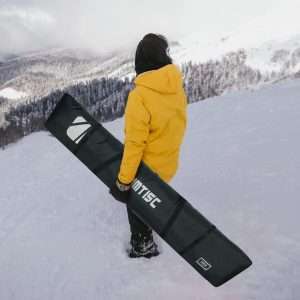


Fully Padded Single Ski Travel Bag is most useful when fit and travel handling are solved before secondary features. Work from the equipment you actually own, define what must go inside the bag, and compare the supplied size, material, protection, and carry information for the products above.
For Fully Padded Single Ski Travel Bag, a larger collection can hide meaningful differences in fit and construction. Narrow the choices with your must-have requirements first. Then compare the remaining listings on the details that matter to the trip.
Start With Ski Dimensions Before Comparing Fully Padded Single Ski Travel Bag
For Fully Padded Single Ski Travel Bag, ski length is the obvious first measurement, yet the complete load can include poles, bindings, or a second pair. Compare the stated internal or supported length with the longest item you will pack. Then check whether the product description gives enough information about width, capacity, or layout for the rest of the gear.
- Use your longest ski or pole as the first fit check before comparing secondary features.
- Decide whether poles, a second pair, or clothing will share the bag before judging capacity.
- Check the stated padding coverage around the equipment areas most exposed during transport.
- Choose between the final candidates by the travel problem you will face most often, not by one isolated feature.
Check Where the Padding Actually Protects for Fully Padded Single Ski Travel Bag
'Padded' is useful only when you know what it protects. Compare where each Fully Padded Single Ski Travel Bag listing places cushioning and whether the stated coverage matches the parts of your equipment most exposed during transport. Tip, tail, edge, base, boot, or helmet protection can matter differently depending on the bag type.
Handling Points to Confirm on Current Product Pages
Current Fully Padded Single Ski Travel Bag titles highlight several practical comparison points. Use them to organize the shortlist, while keeping every model-specific claim tied to its own product page.
- Current titles also call out fit lengths such as 175cm, 190cm, 195cm. Match any length claim to the longest ski or board you plan to pack, including the packed profile created by bindings or poles.
- Material-denier wording such as 1200D, 900D appears in some current titles. Treat denier as one construction detail and compare it with seams, base areas, padding, and other stated protection features.
- Carry-method wording varies across the current matching titles. Compare the stated shoulder, backpack, or grab-handle setup with the distance and terrain you expect to cover while fully loaded.
- Water-protection wording appears in current matching product titles. Check whether each listing describes the whole bag, a fabric, the base, or another specific area before relying on that claim.
Comparison Resources to Resolve Remaining Questions
Use the related collection and guides below when the Fully Padded Single Ski Travel Bag choices need more context. They help connect product-level details with broader sizing, packing, protection, and travel considerations without replacing the specifications on the individual listings.
A Route-Based Review Against the Planned Load
The final Fully Padded Single Ski Travel Bag decision should survive one simple test: does the listed product information match your equipment and the way you travel? Reopen the candidate pages, confirm the details that matter, and plan the packed load from start to finish. Unknown specifications should stay unknown until the product listing provides them.
Compare Current Fully Padded Single Ski Travel Bag Products
Use these product pages for the exact current listing details. The collection content above helps with the buying decision, while each product page remains the source of truth for its own specifications and listed features.